Latest work
Two products, both liveAI made everything faster. It didn’t make anyone’s taste better — that part has to be built in on purpose, and building it in is what I do. Two products where I did it most recently:
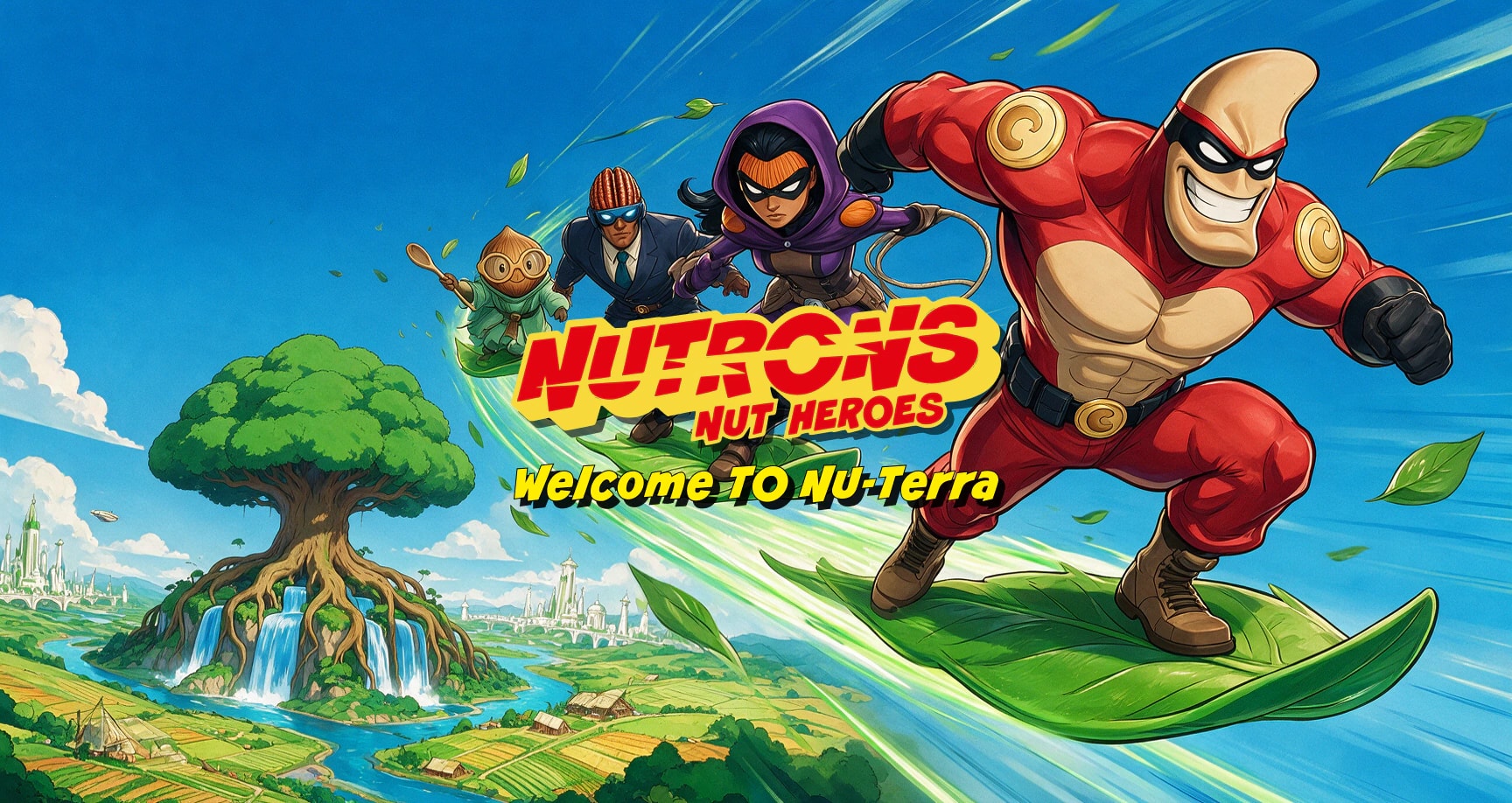
Nutrons
Brand hub · web game · on-brand image pipeline
A comic-book snack brand with a world behind every pack. I designed and built the hub and its game, then codified the brand so generated art stays on model.
Live — portal.getnutrons.com
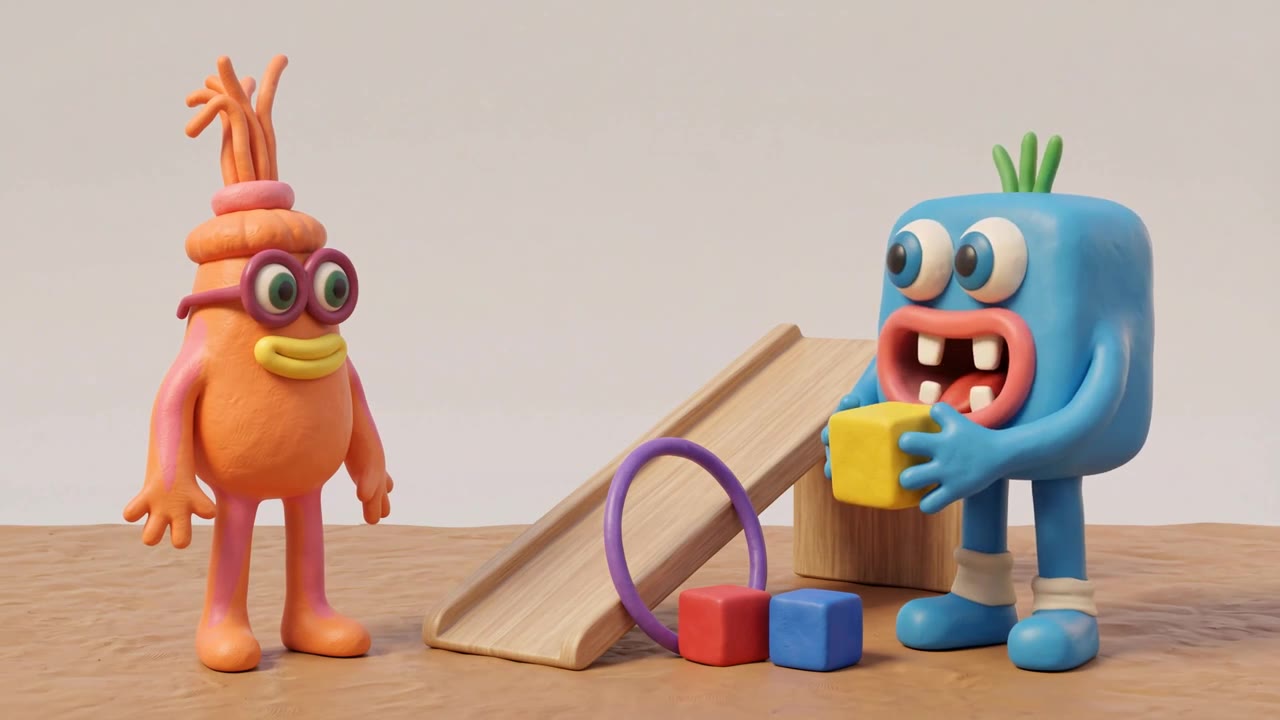
MonstoryX
Language game · teacher platform · video agents
Children speak, monsters listen. Teachers write spoken quests with an AI co-author and approve every word; a multi-agent pipeline films each mission.
Web Summit Lisbon 2026 · Impact startup
Before these: Mazda Germany’s online sales platform, gematik’s national patient record, AR for Nestlé Wagner, a talking puppet for Super RTL. All work, 2016 — 2026 →
Method
How the work gets madeCode decides what ships
Every model output is followed by something deterministic — a linter, a compiler, a judge with a calibrated threshold. A failure goes back to the model once, with the exact violations.
Canon as a package
A brand compiled into the machine rather than briefed at it. Sheets, style register, camera grammar and colour, hash-locked to reference plates by tests. When the brand changes, the tests fail — which is the point.
No agent grades its own work
Owners write, critics prove. The agent that builds never grades it: a critic with fresh context does, blind, against the bar the spec set. I set the architecture, review the diffs and merge what ships. The whole rig has a sheet of its own.
Prototypes that are already code
FigJam discovery → generative exploration → a Figma design system via MCP → a deployed prototype. The client reviews the thing, not a picture of it.
Make it the team’s
A capability that lives in one person’s head is a bottleneck with good taste. Mine ships as rules, eval suites and installable plugins — plus coaching until a colleague no longer needs me.